Materials and Sustainability
Catchgreen develops biodegradable marine products for fishing and aquaculture applications. Material chemistry, product design, manufacturing, operational performance, and environmental behaviour are considered together to create solutions suited to specific uses and working conditions.
Designed for durability
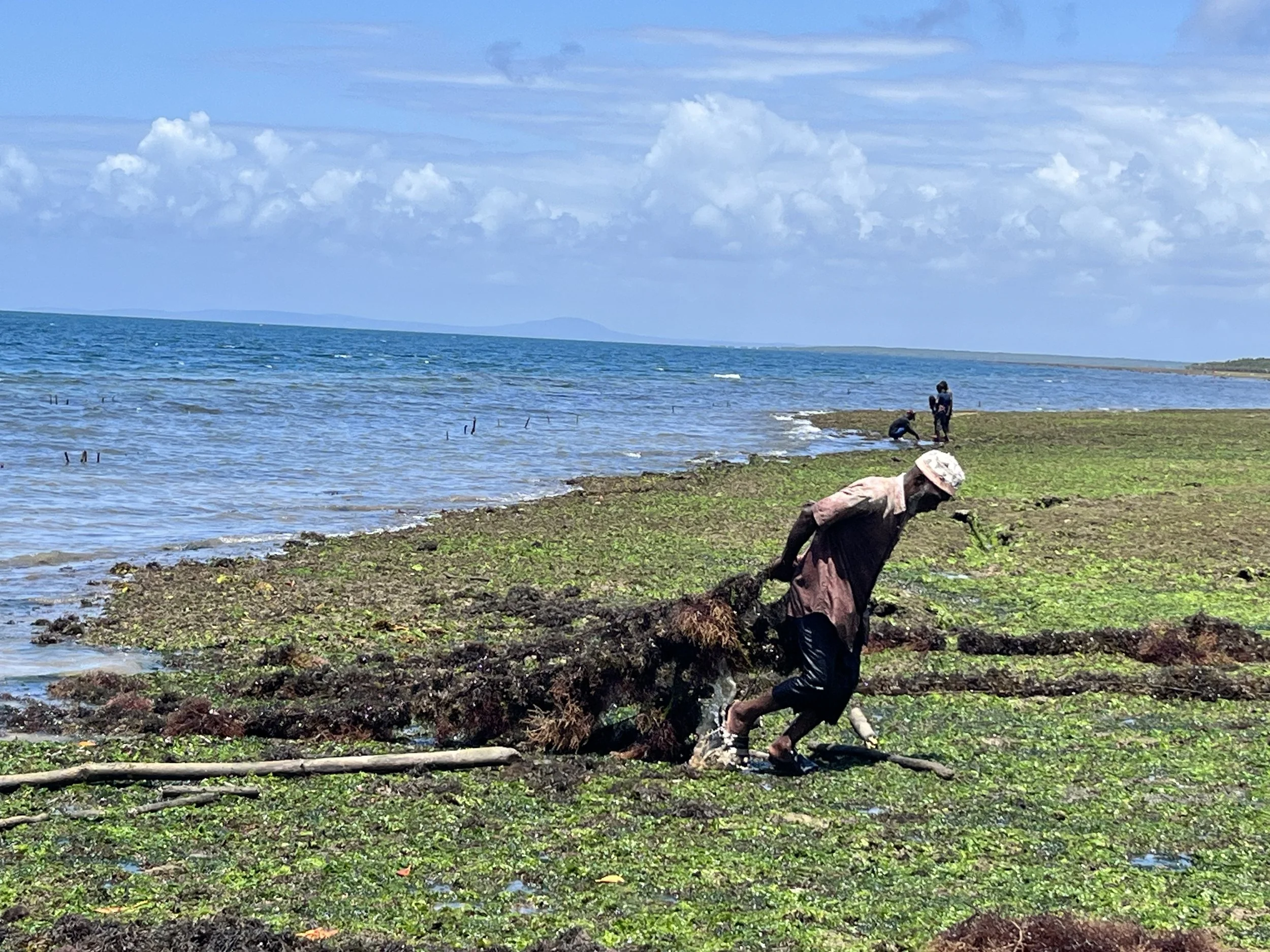
Marine gear operates in demanding conditions and must withstand salt water, UV exposure, abrasion, currents, repeated handling and mechanical loading. A biodegradable alternative must therefore remain strong, safe and reliable throughout its intended service life.
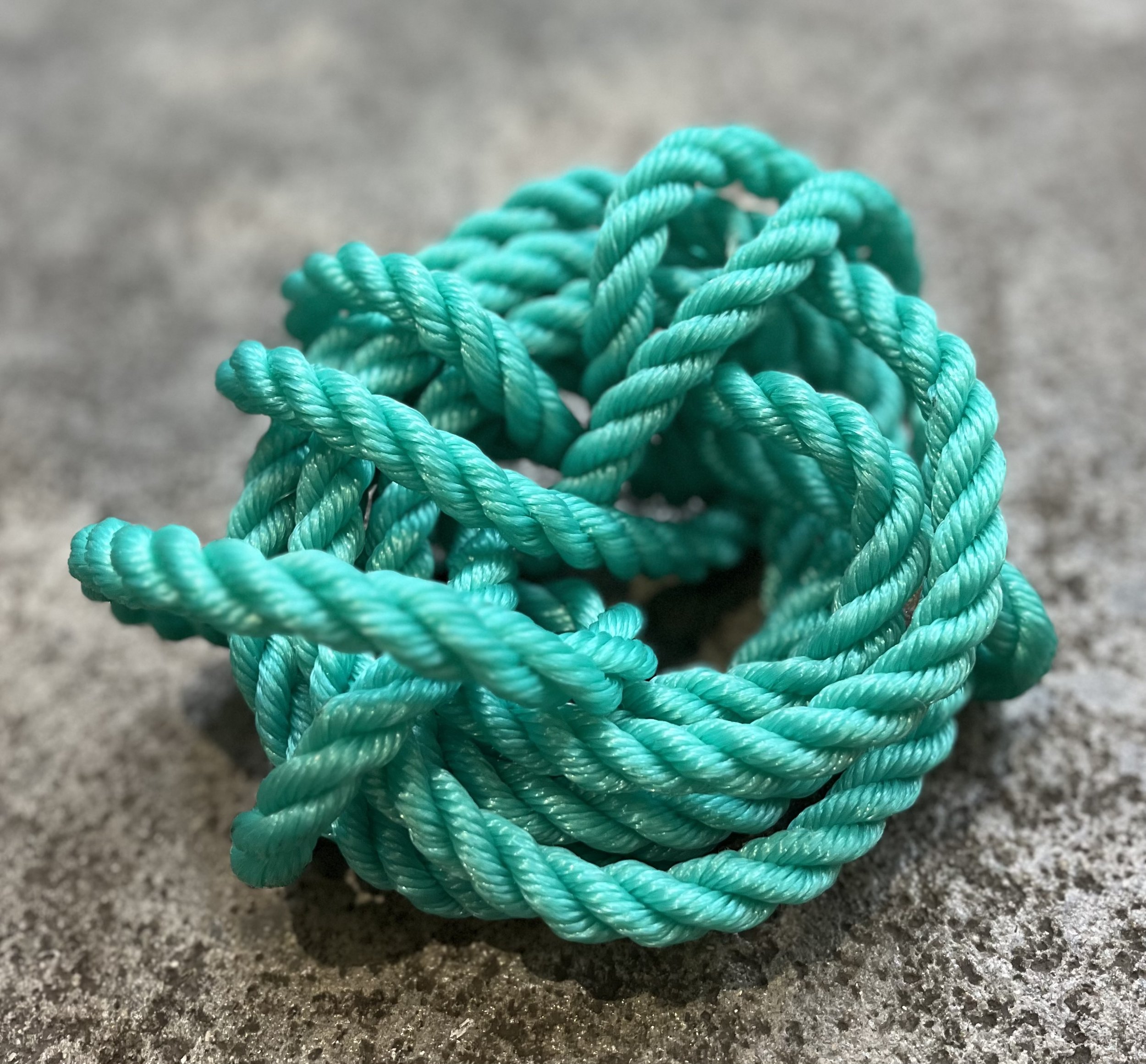
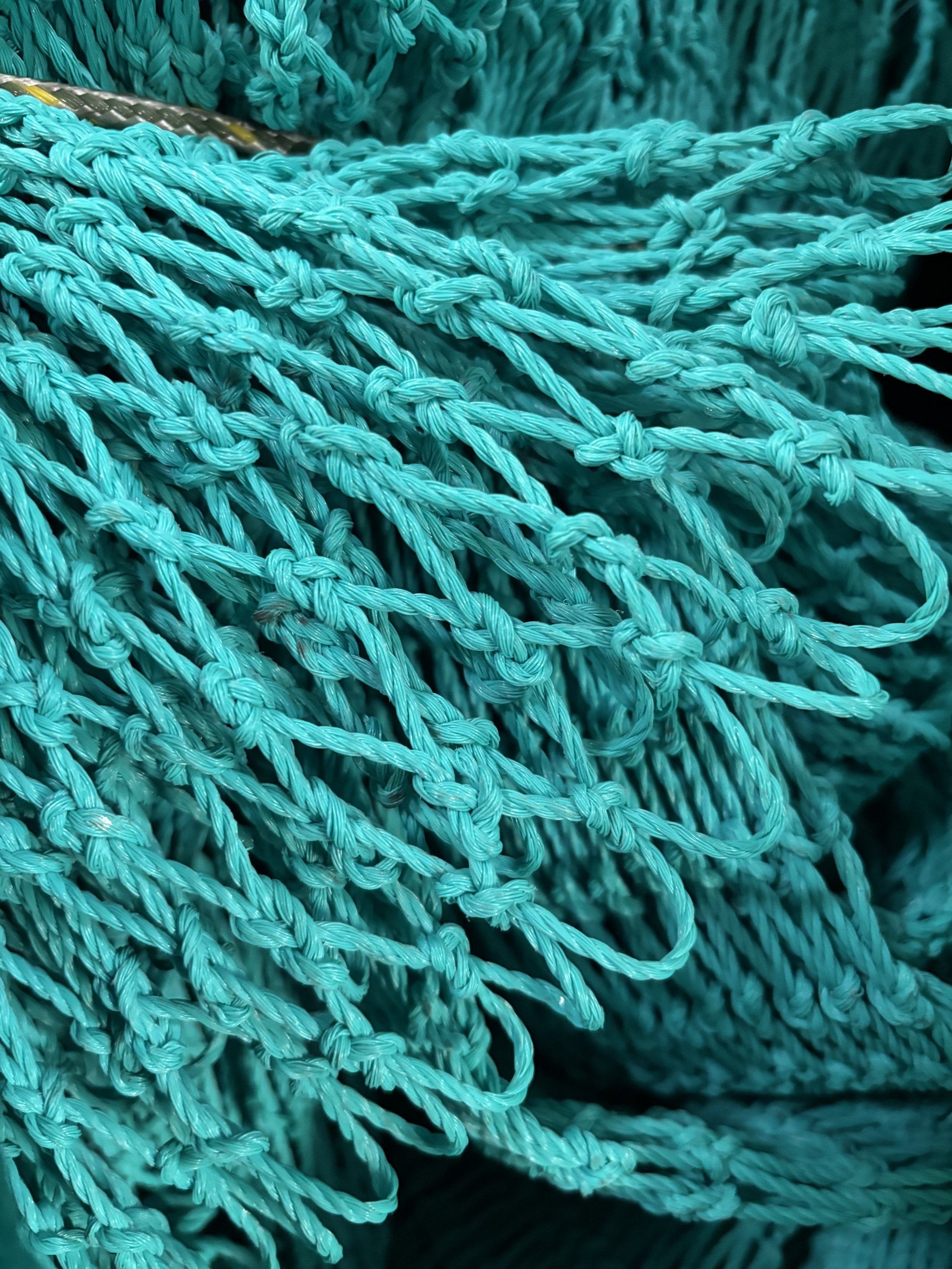
Catchgreen products are designed around the principle of controlled durability. Material formulation, filament structure, rope or net construction, product thickness and stabilisation are selected according to the application and required working life. The objective is not rapid degradation, but reliable operational performance followed by a progressive loss of integrity after prolonged environmental exposure if the product is lost.
How a product changes over time depends on both its design and the environment in which it is used or lost. Temperature, oxygen, water movement, sediment contact, microbial activity and product geometry all influence degradation behaviour. For this reason, each product must be developed and validated for its specific fishing or aquaculture application rather than relying on a single universal degradation timeline.
Strong enough for the work. Designed not to persist after it is lost.
From material design to environmental outcome
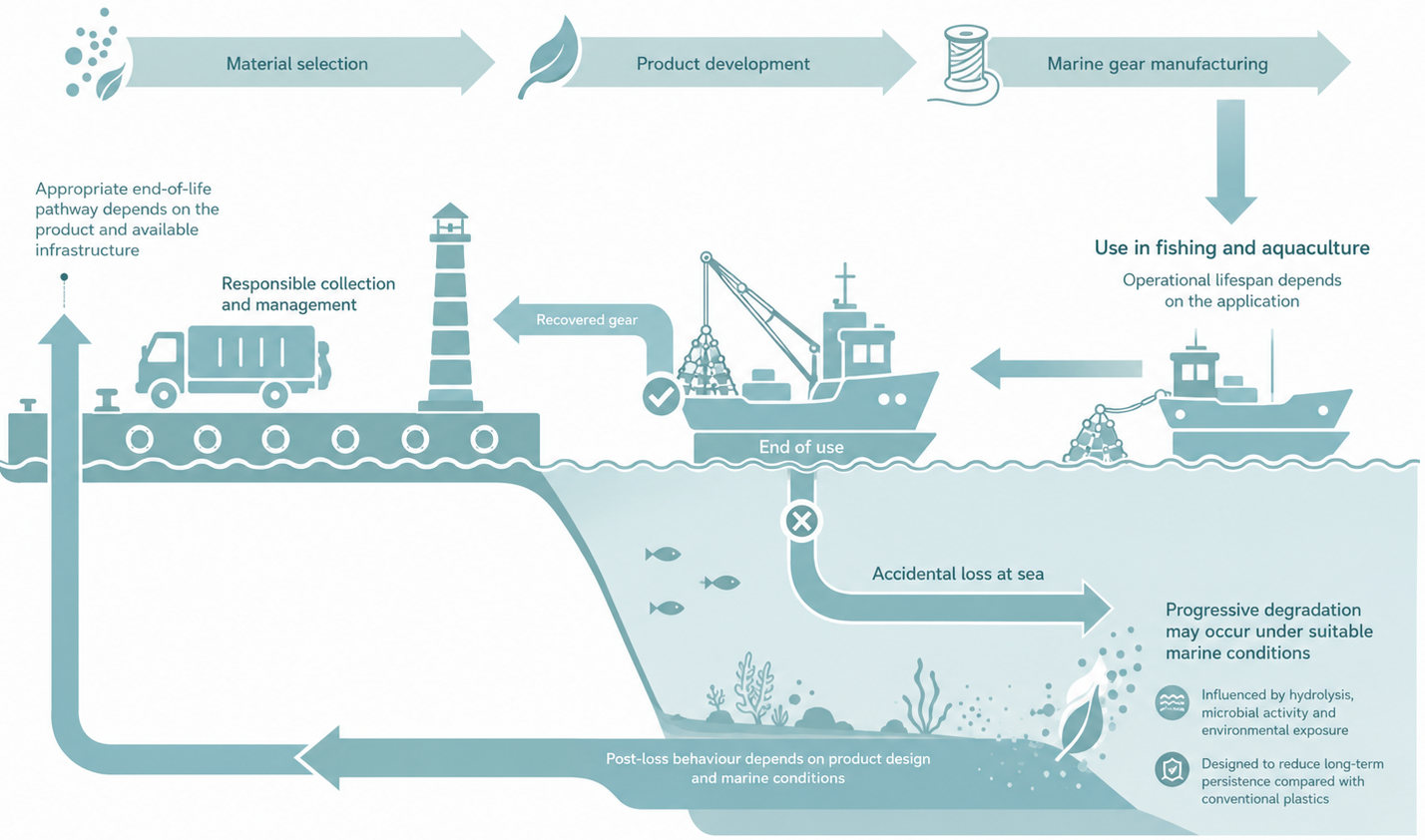
Biodegradable marine gear follows more than one possible pathway. How it performs during use—and what happens after recovery or accidental loss—depends on the material, product design, application, and surrounding environment. Where gear is accidentally lost, its post-loss behaviour depends on the product design and the marine environment. Under suitable conditions, PBS-based materials may undergo progressive hydrolytic and microbial degradation, with the aim of reducing long-term environmental persistence compared with conventional plastics. The flow below shows how responsible collection and post-loss environmental behaviour form part of the complete product lifecycle.
Our material Platform
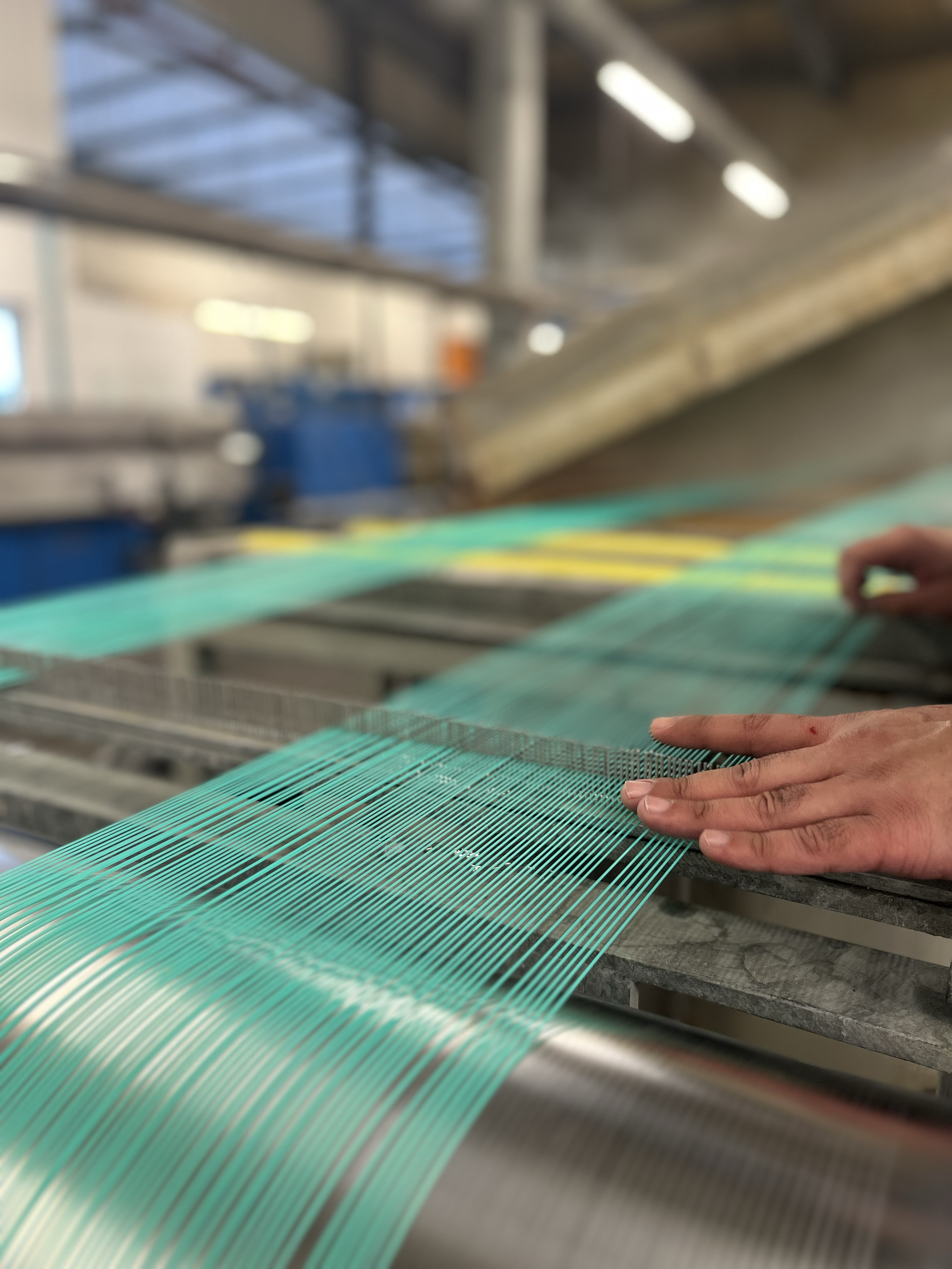
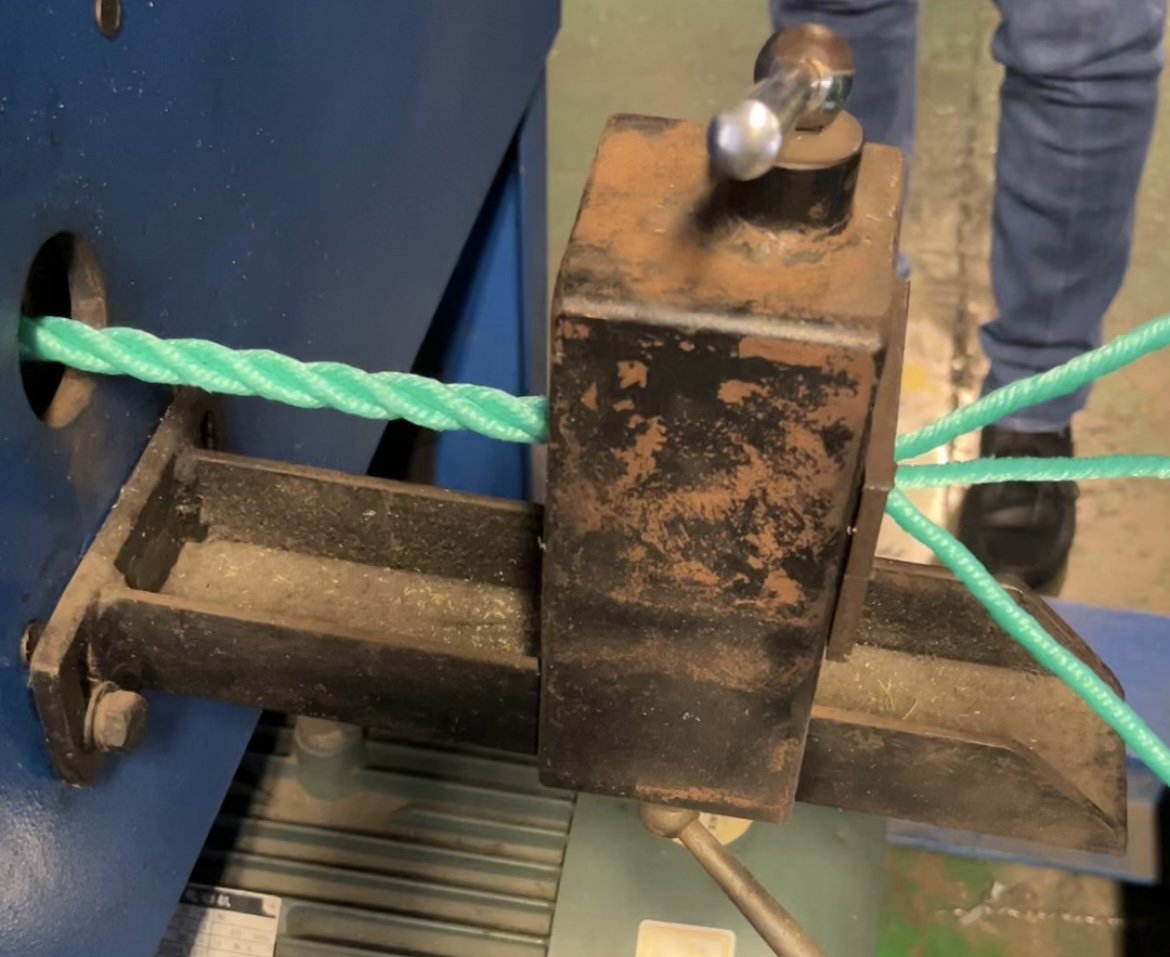
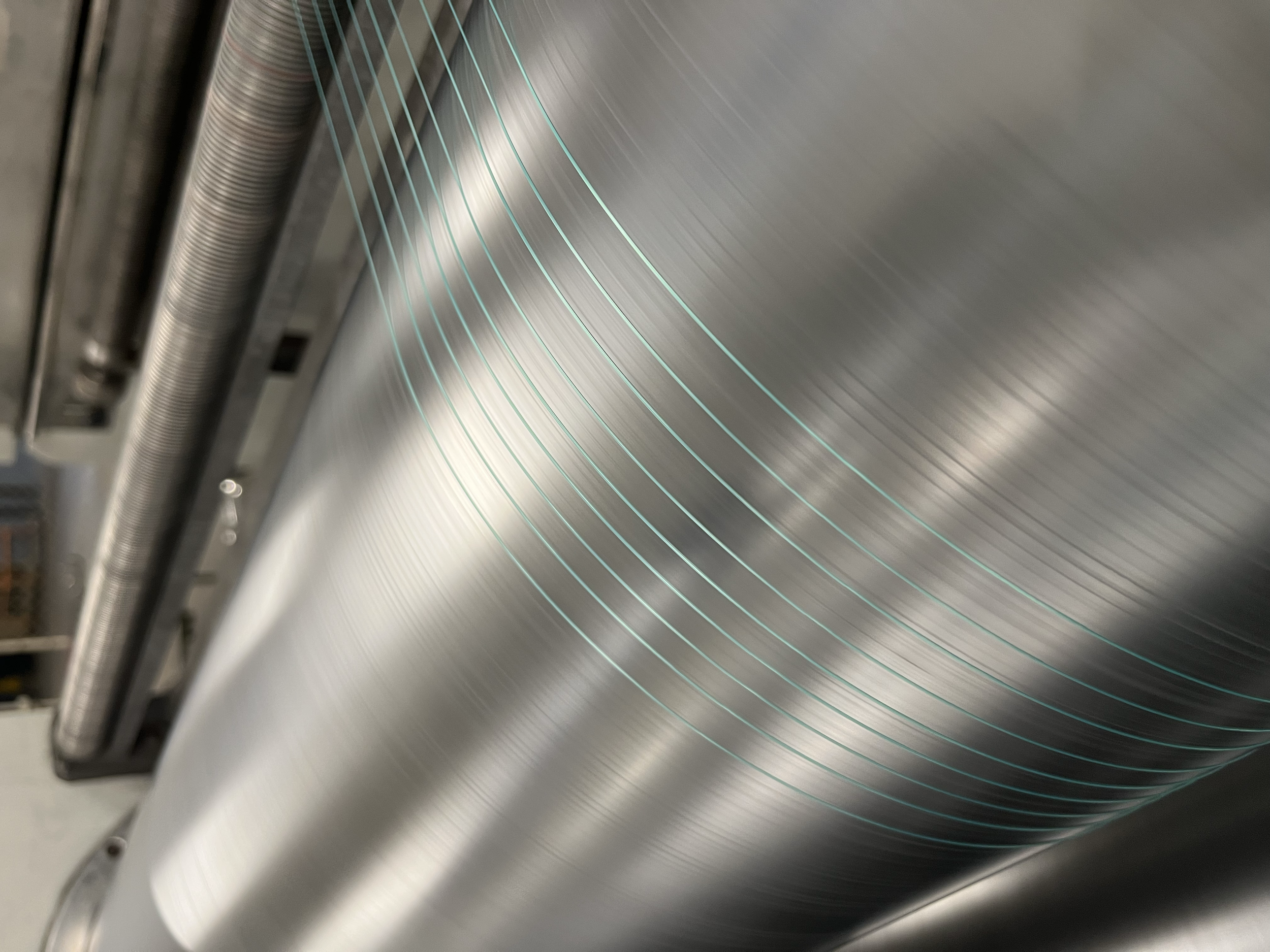
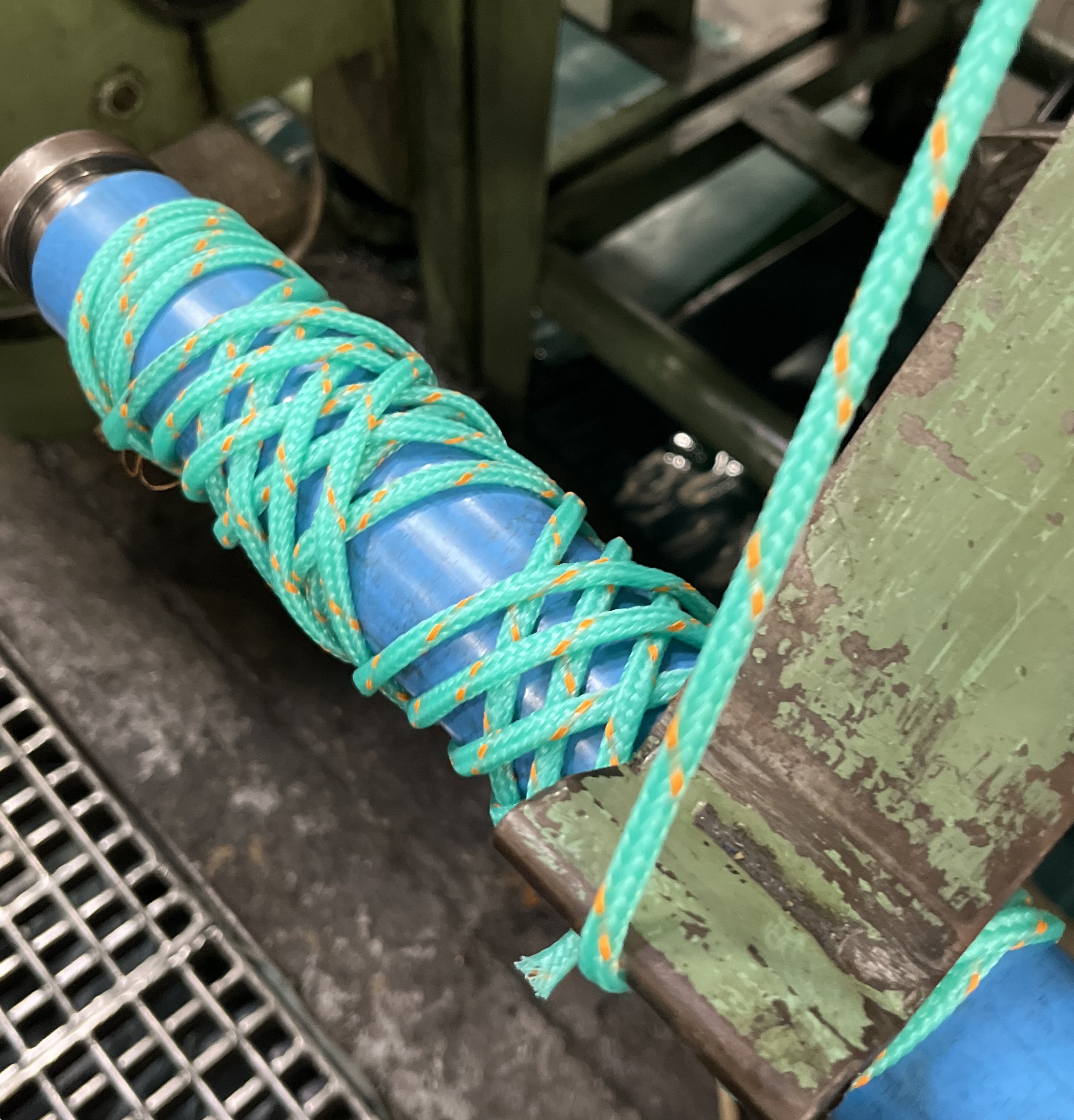
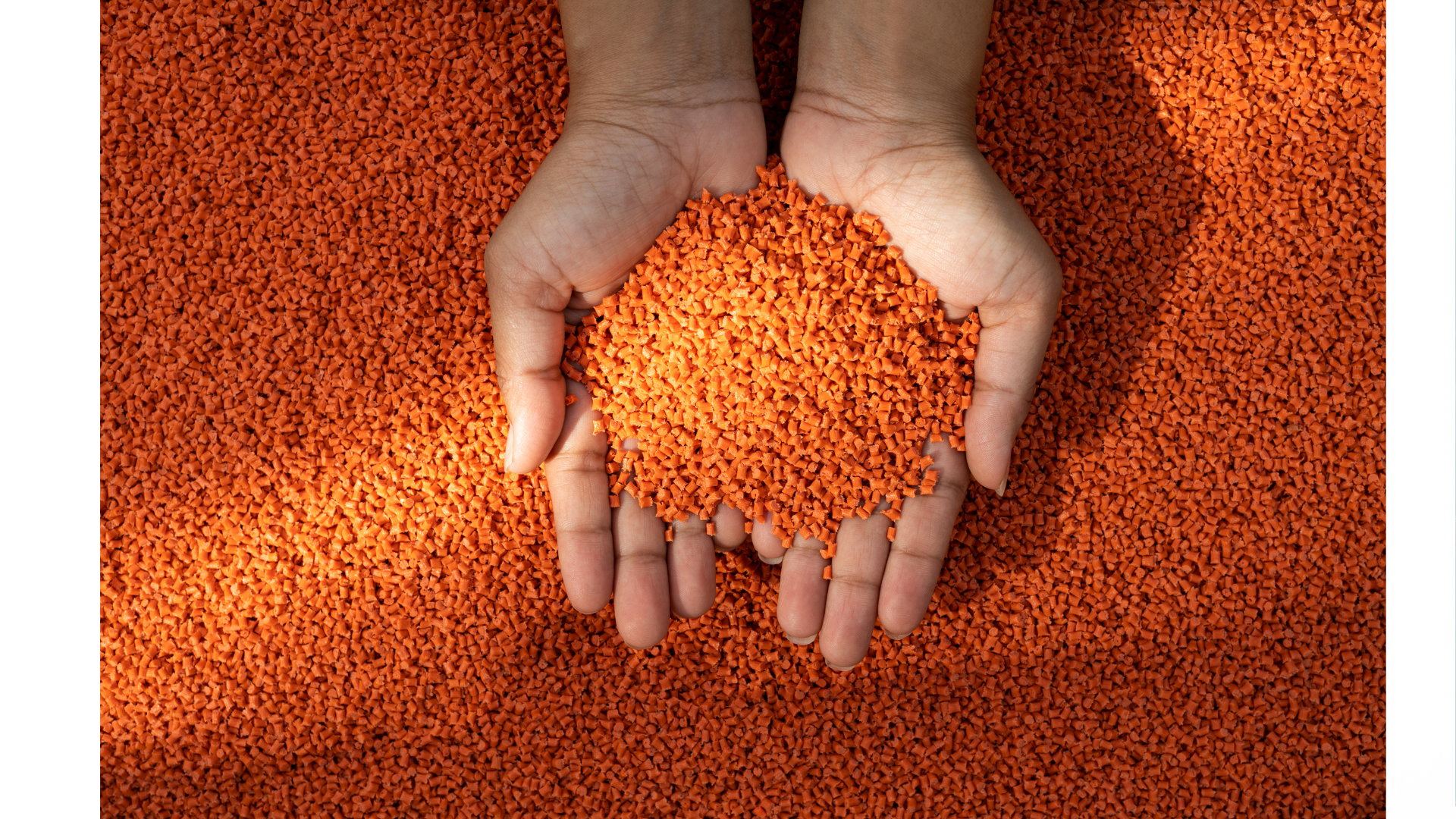
Catchgreen develops marine gear using biodegradable polyester-based materials selected for demanding fishing and aquaculture applications. The platform is built around polybutylene succinate, or PBS, and related biodegradable polymer blends, which can be processed into filaments, ropes, twines, netting and other product forms.
The material is only one part of the system. Performance depends on the full combination of polymer formulation, additives, filament structure, product geometry, manufacturing method and intended use. Each product is therefore designed for a specific application rather than produced from one universal formulation.
Why PBS?
PBS is an aliphatic polyester with ester bonds in its polymer backbone. Unlike polyethylene and polypropylene, which are highly resistant to biological breakdown, these ester bonds can undergo hydrolysis under suitable environmental conditions.
As the polymer chains become shorter, the material may become increasingly accessible to naturally occurring microorganisms. This creates the potential for progressive biological assimilation rather than long-term persistence through physical fragmentation alone.
Designed as a material system
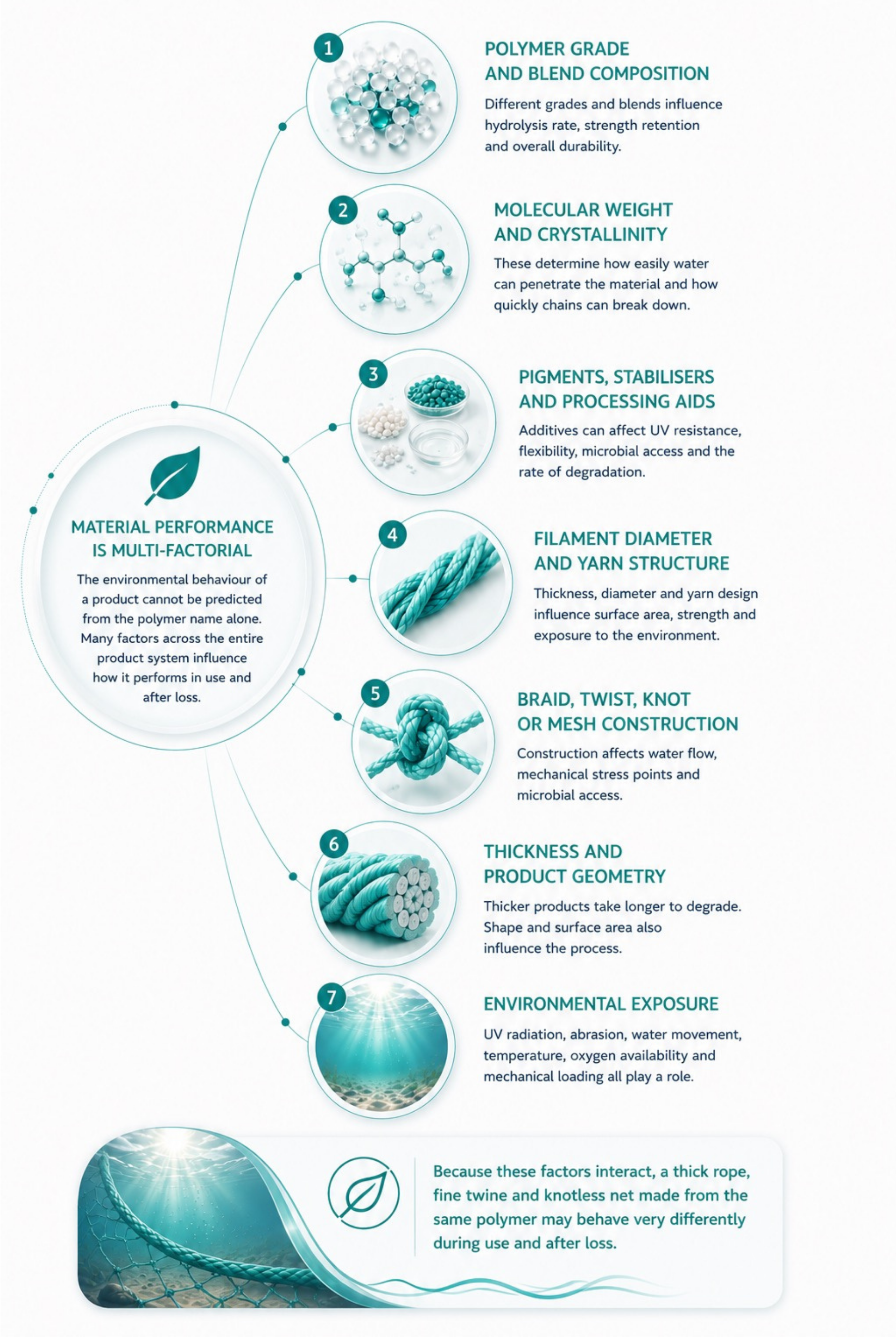
The environmental behaviour of a product cannot be predicted from the polymer name alone. It is shaped by the polymer grade and blend composition, molecular weight and crystallinity, pigments and stabilisers, filament and yarn design, product construction, thickness and geometry, as well as exposure to UV, abrasion, water movement and mechanical loading.
A thick rope, fine twine and knotless net made from the same polymer may therefore perform—and change after loss—in very different ways.
Biodegradation
What biodegradation means
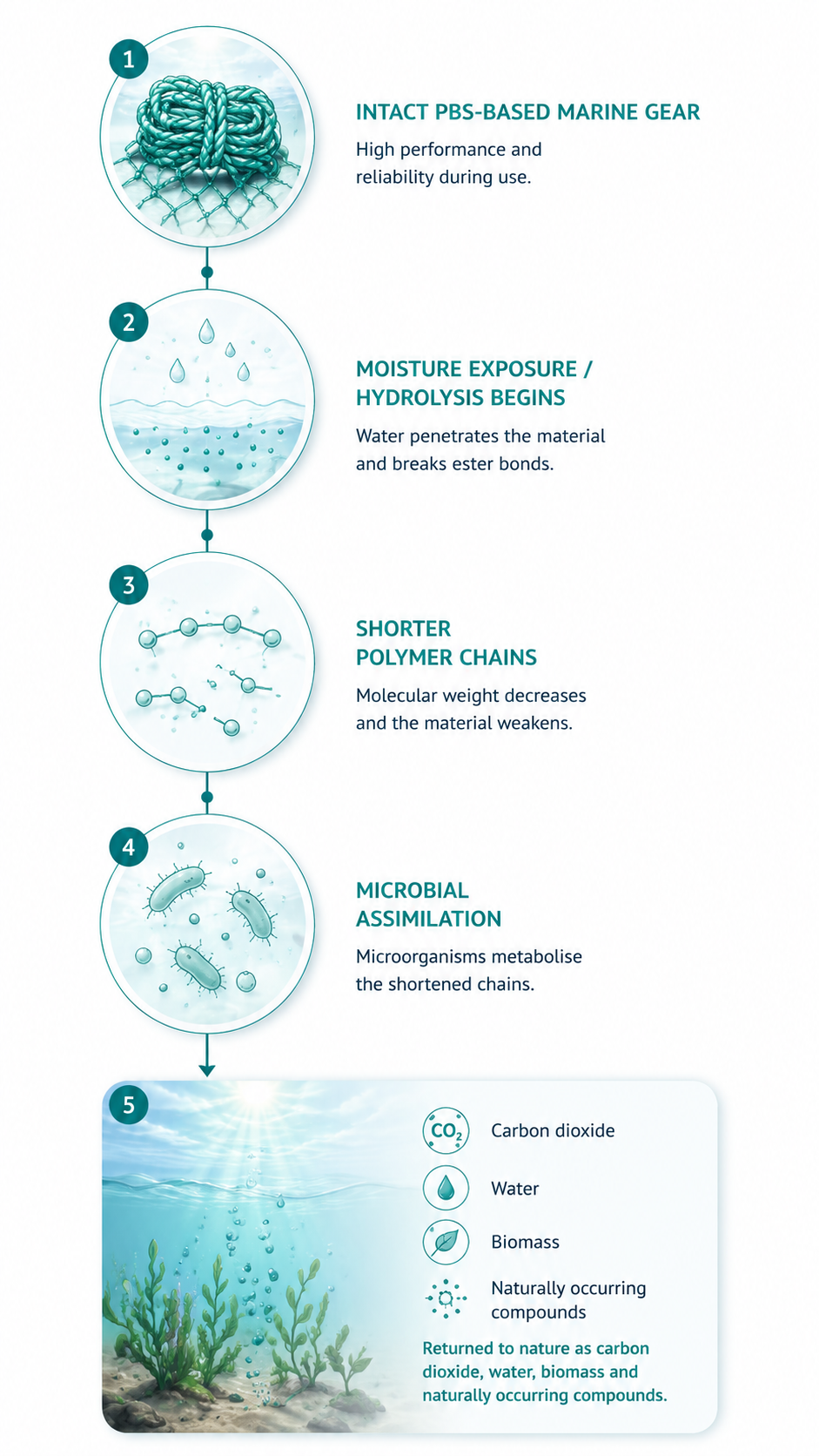
Biodegradation is different from fragmentation. Conventional plastic may break into smaller pieces while remaining chemically persistent, whereas true biodegradation involves chemical breakdown followed by biological assimilation by naturally occurring microorganisms.
The role of microorganisms
Under suitable conditions, microorganisms can metabolise the shortened polymer chains. Through this process, the material may be progressively converted into carbon dioxide, water, biomass, and other naturally occurring compounds.
How the process begins
Catchgreen’s PBS-based materials contain ester bonds that can undergo hydrolysis when exposed to moisture. This progressively shortens the polymer chains, reduces molecular weight and may gradually affect the strength and integrity of the material.
Conditions influence the process
Temperature, oxygen, microbial activity, sediment contact, product thickness, and construction all influence how materials change over time. There is therefore no single degradation timeline that applies to every product or marine environment.
Made by Africa, for the World.